
How to Choose the Right Skin Care Products: A Comprehensive Buyer’s Guide


Understanding Your Skin Type
Choosing the right skin care products starts with understanding your skin type. There are generally five categories: oily, dry, combination, sensitive, and normal. Knowing your skin type can help you select products that meet your specific needs, whether it’s controlling oil or providing extra hydration.

Oily Skin
If you have oily skin, look for non-comedogenic products. These products won’t clog pores and can help control excess oil production. Ingredients like salicylic acid and benzoyl peroxide are effective in keeping skin clear and matte.
Dry Skin
For dry skin, focus on hydrating and moisturizing products. Look for ingredients like hyaluronic acid, glycerin, and ceramides. These components help retain moisture and keep your skin feeling soft and supple.
Identifying Key Ingredients
Understanding what’s in your skin care products is crucial. Some ingredients are universally beneficial, while others may suit specific skin types.
Antioxidants
Antioxidants like vitamin C and E help protect the skin from environmental damage. They can brighten your complexion and reduce signs of aging.
Sunscreen
Daily use of sunscreen is essential for protecting your skin from harmful UV rays. Look for broad-spectrum options with at least SPF 30 for optimal protection.
Reading Labels and Packaging
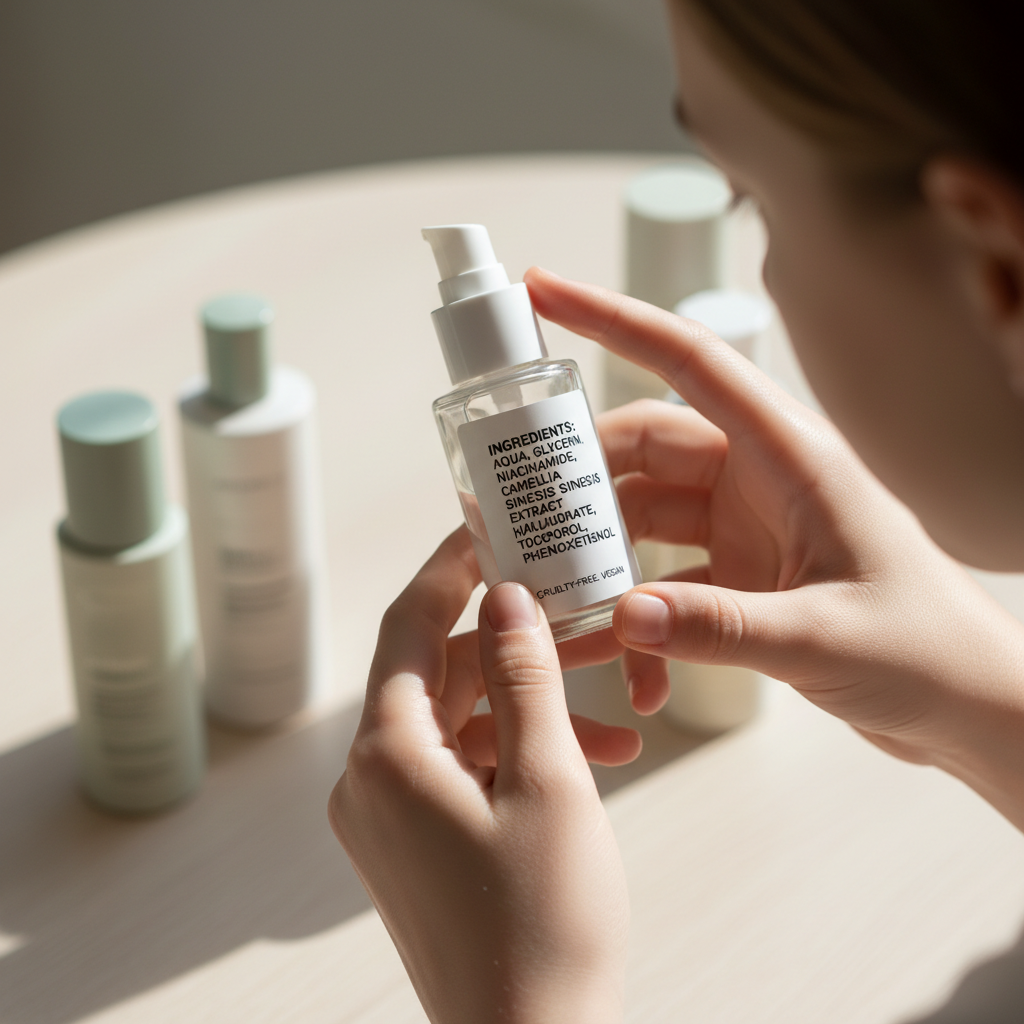
When choosing skin care products, pay close attention to the labels. Look for terms like “dermatologist-tested,” “fragrance-free,” and “hypoallergenic” if you have sensitive skin. These labels can guide you to safer choices.
Expiration Dates
Always check the expiration date on skin care products. Using expired products can lead to irritation or reduced effectiveness. Store your products in cool, dry places to extend their shelf life.
Patch Testing New Products
Before incorporating a new product into your routine, perform a patch test. Apply a small amount to a discreet area of skin and wait 24 hours to check for any adverse reactions. This step can help prevent potential irritation or allergic reactions.
Considering Ethical and Sustainable Options
More consumers are opting for ethical and sustainable skin care products. Look for brands that prioritize cruelty-free testing and eco-friendly packaging. By choosing these options, you contribute to better environmental practices.

Choosing the right skin care products involves a combination of understanding your skin type, knowing key ingredients, and being informed about product labels. By following this comprehensive guide, you can create a skin care routine that promotes healthy and glowing skin.